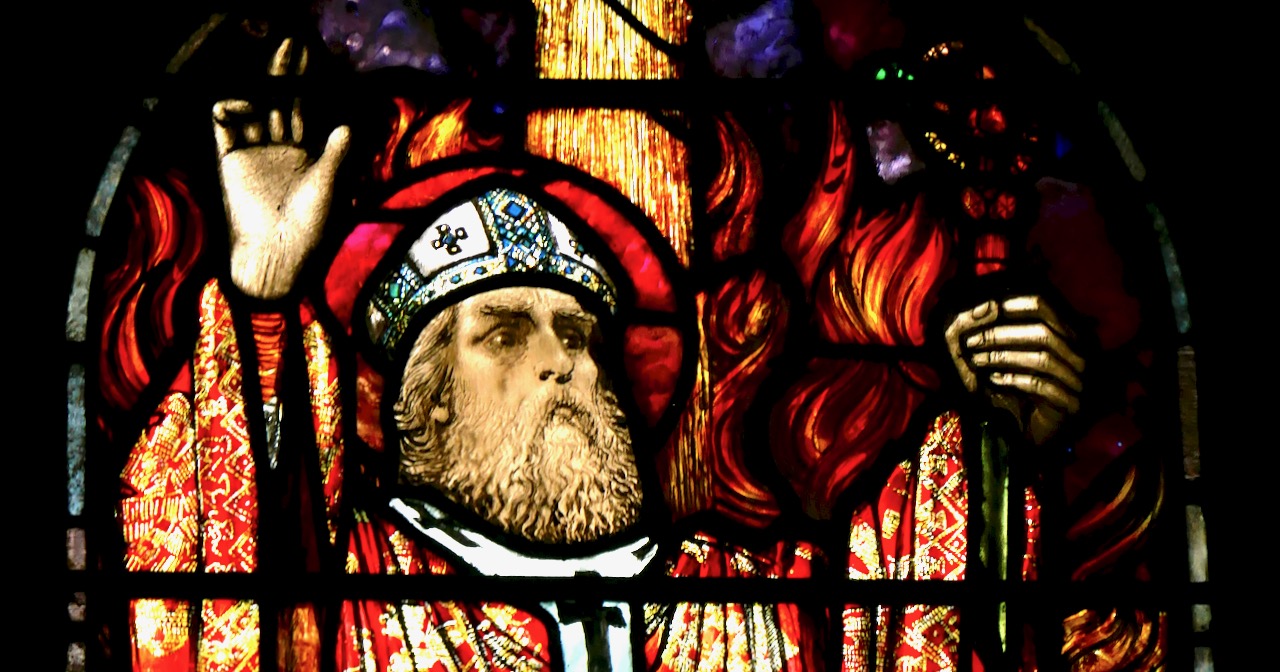
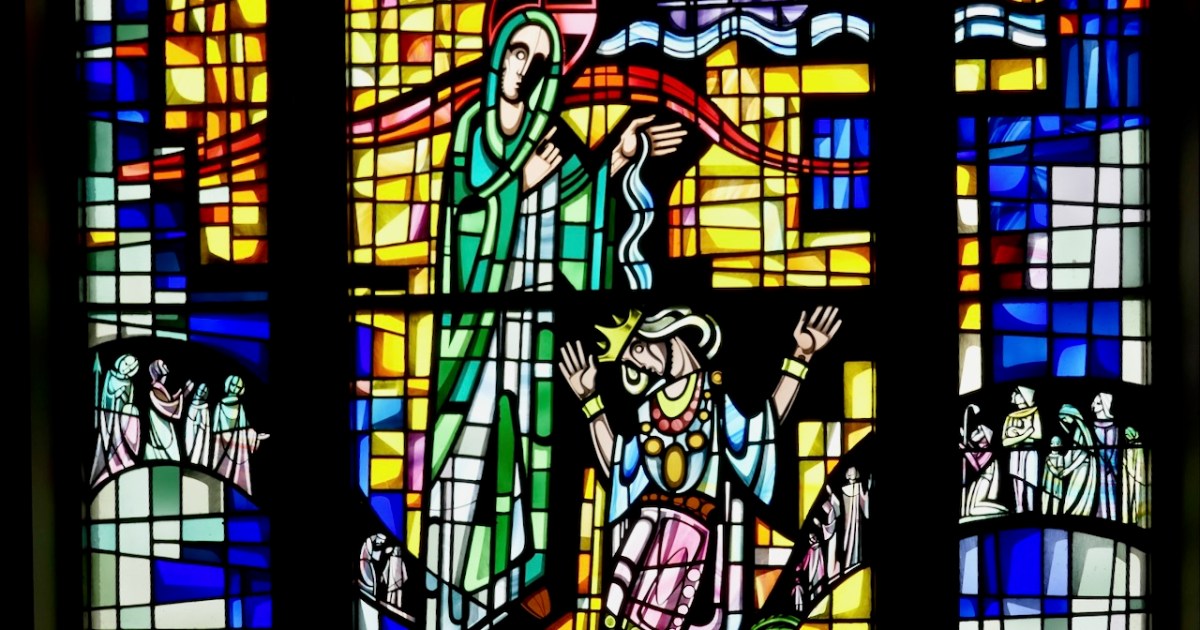
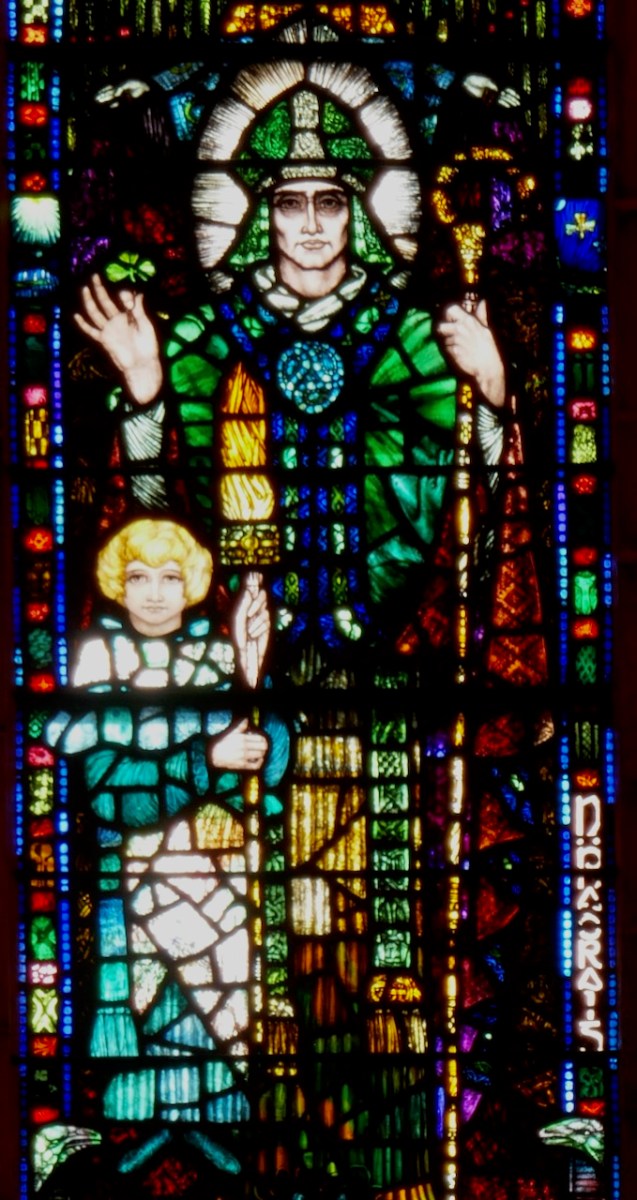
Every year on the seventeenth of March we celebrate Saint Patrick, and every year the same stories are told. It’s the shamrock-and-snakes version of our founding saint – always with images of the saintly bishop, in green, holding his crozier. These images are so familiar that Patrick himself has almost disappeared behind them.
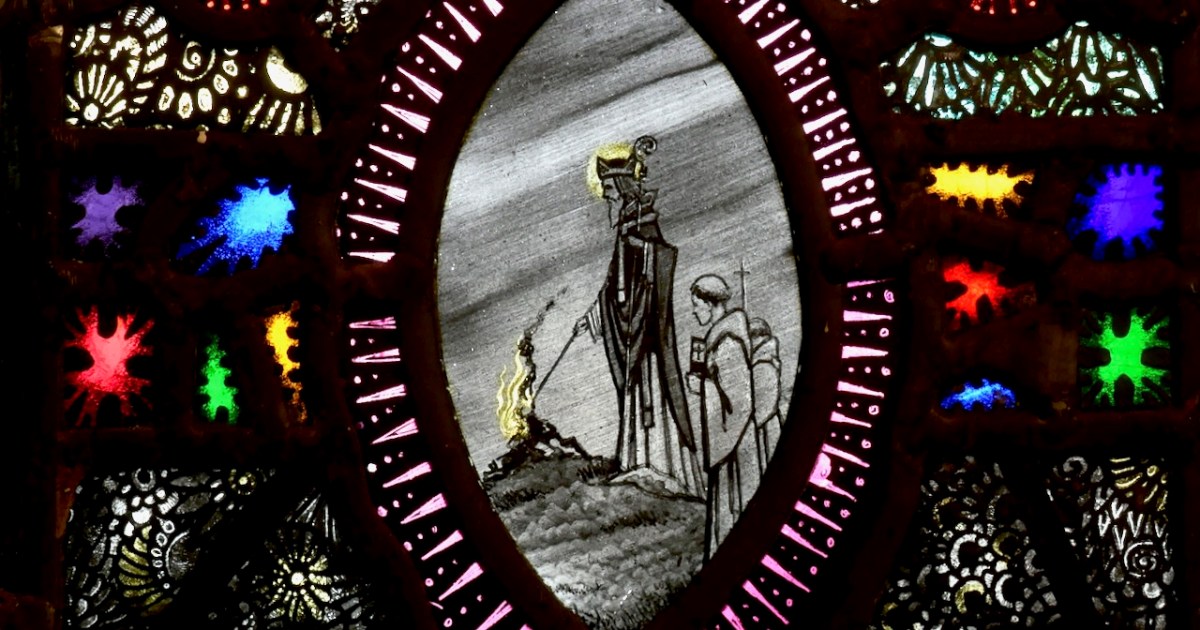
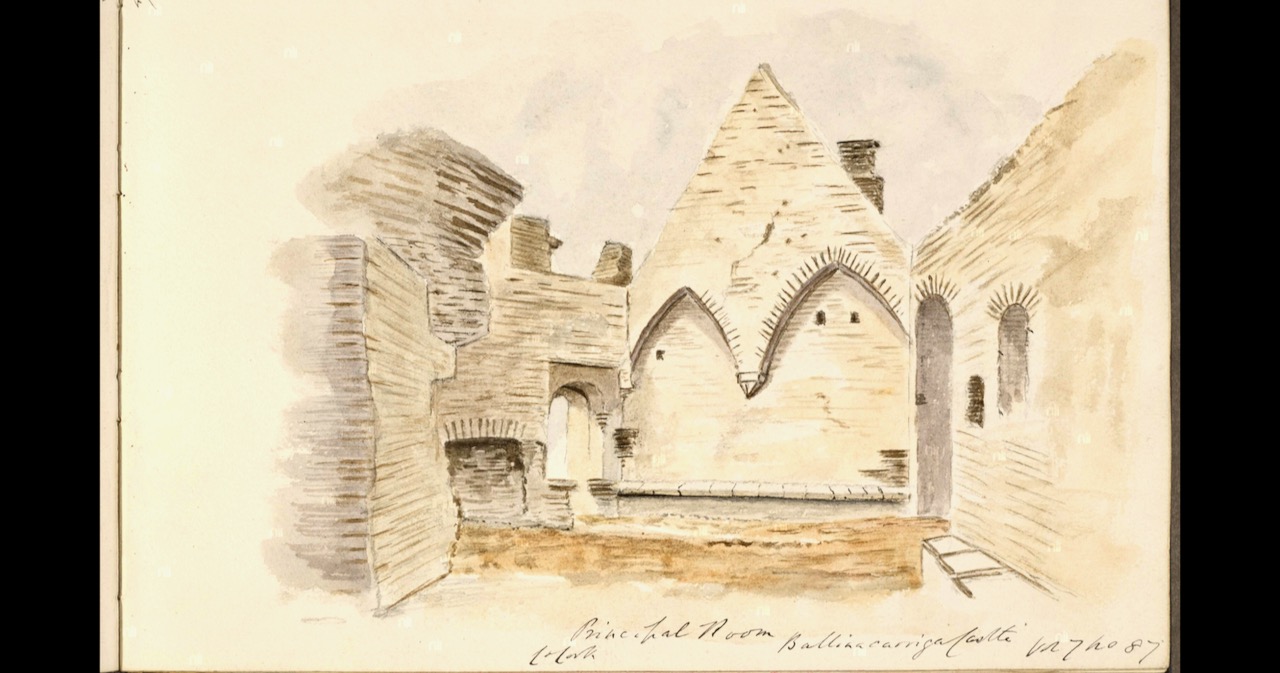
This year I want to go back to an older Patrick — fierce, muscular, and considerably more dangerous. My source is the Lebar Brecc Homily on Saint Patrick, a medieval Irish text drawing on traditions going back to at least the ninth century (you can find it here). It was translated by the great nineteenth-century scholar Whitley Stokes, who invented his own register to convey something of the flavour of the medieval Irish. His is a language that occupies territory somewhere between modern and archaic, and for more of Stoke’s wonderful formulations you read my post The White Hound of Brigown. Stokes’ edition of 1887 (below) remains the standard text.
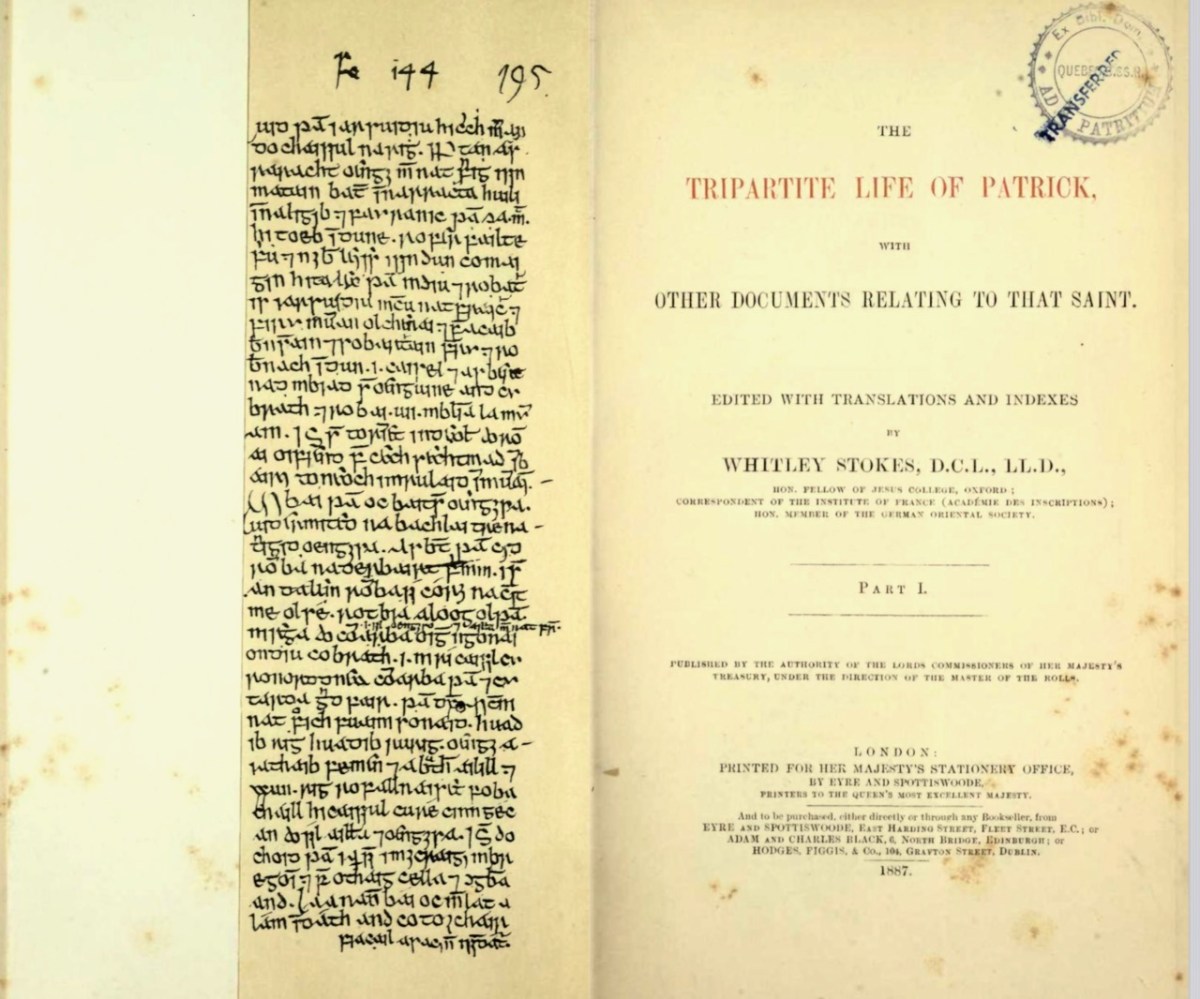
A homily is a text written to be preached, and you can feel that in the Lebar Brecc account: it moves fast and it assumes an audience who will understand a psalm citation or a liturgical reference.The Lebar Brecc is also long and dense so I have decided to focus on the incident where Patrick lights the paschal fire on the hill of Slane, and the aftermath of that deed. At that, I’ve even had to cut out some of the action.
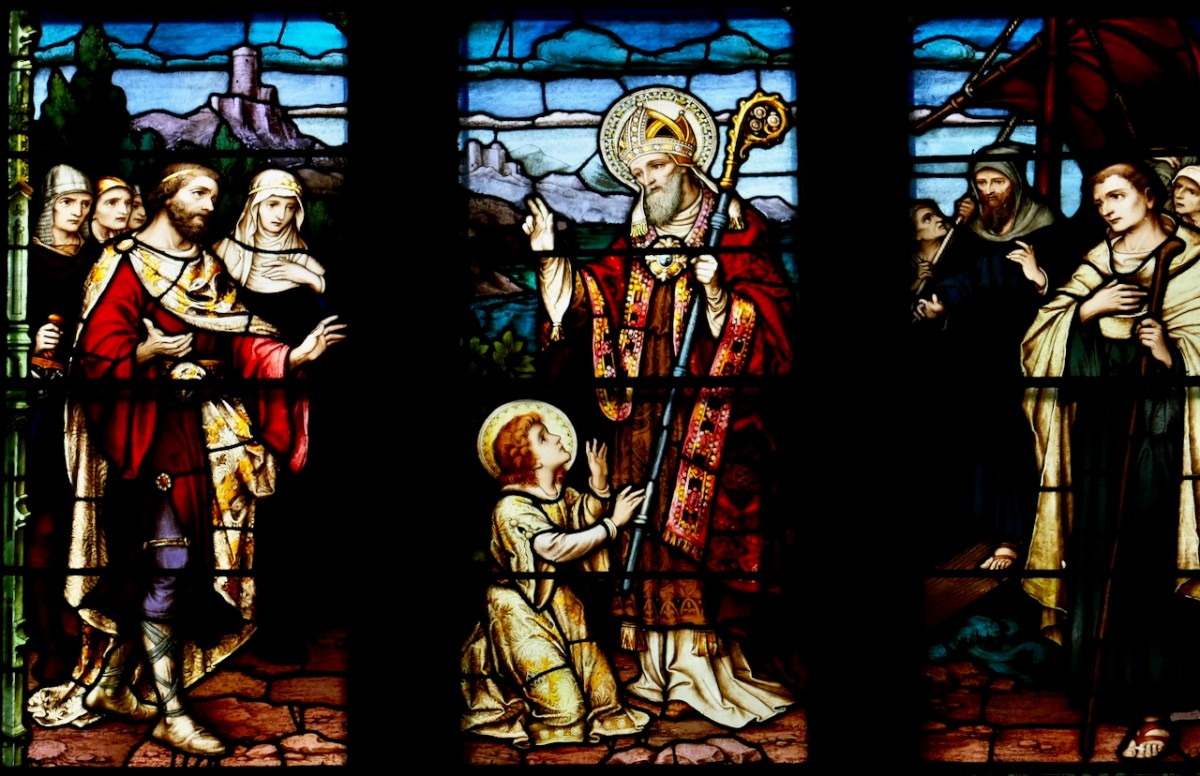
The story opens with a small, touching detail (above). A little boy attaches himself to Patrick as he is about to leave, and his family simply hand him over. He is called Benén in the text but we know him better as St Benignus, who becomes Patrick’s close companion and eventually his successor as bishop (read a more academic account of him here). He is a minor figure at the beginning, but watch for him: he will reappear before the story is over.
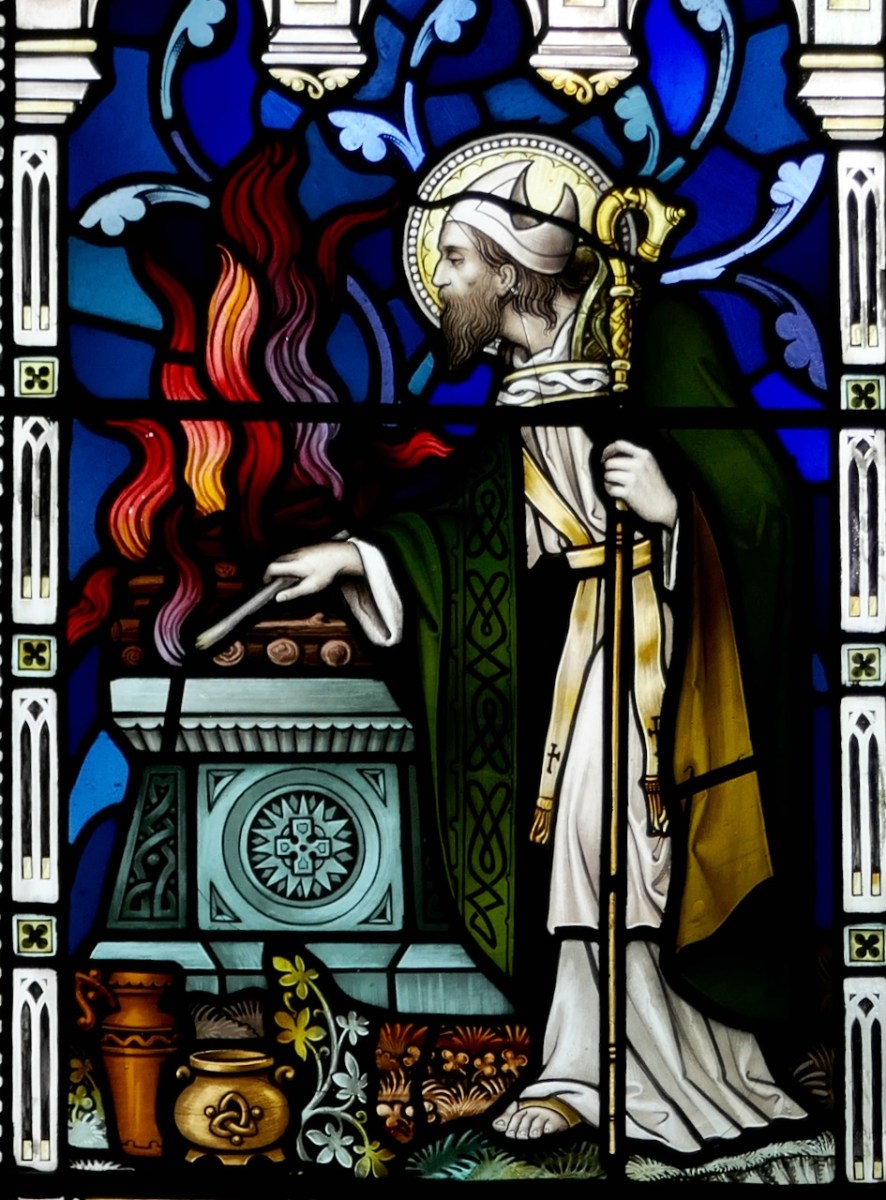
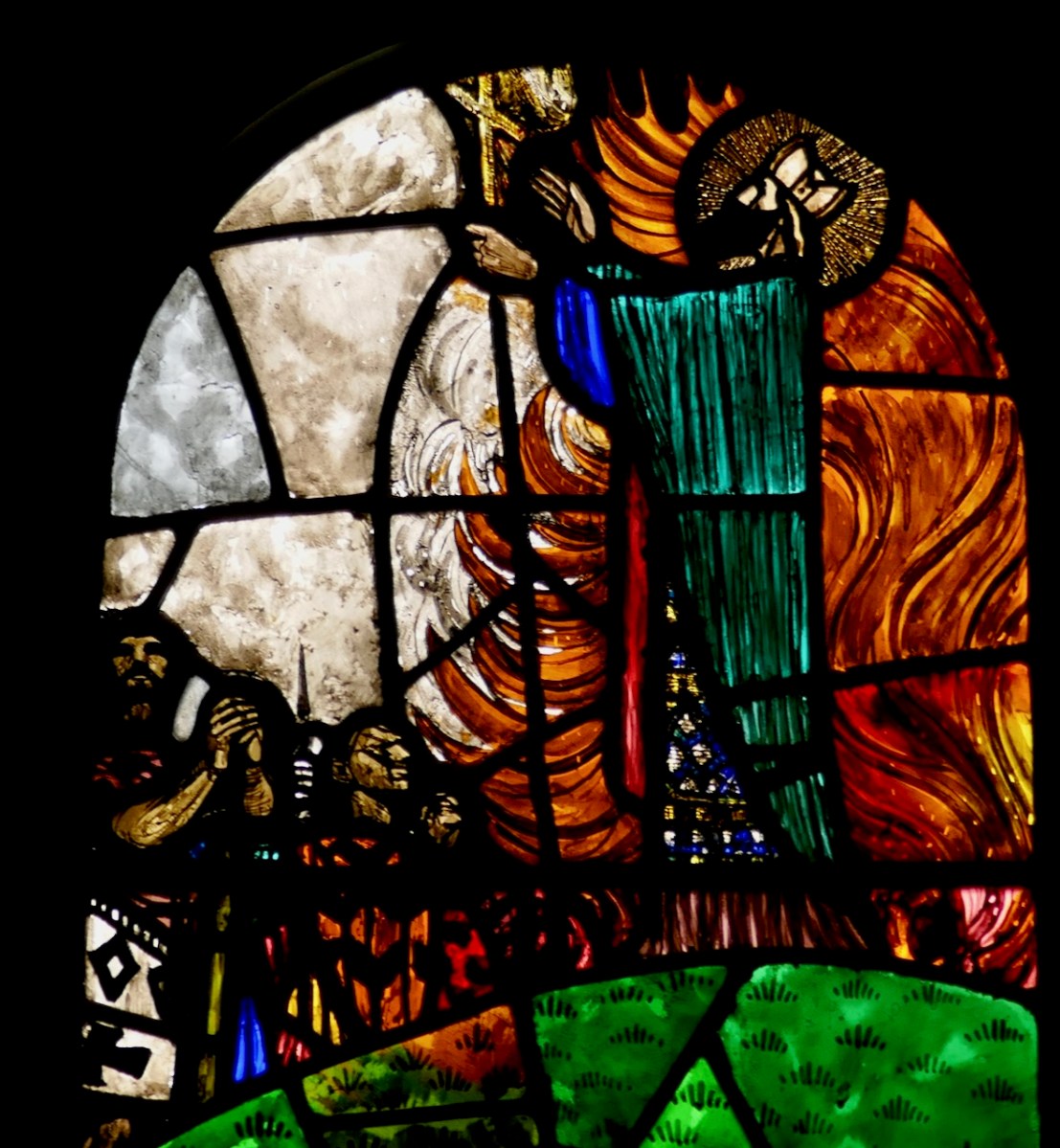
Patrick travels to Ferta Fer Féicc (the place now known as the Hill of Slane, in County Meath) and there, on the eve of Easter, he kindles a fire. It seems a simple act, but there was a sacred law in Ireland that no fire might be lit anywhere in the country on that night until the ritual fire had been kindled first at Tara by the High King. Patrick’s fire, visible from Tara, is an act of direct political and spiritual provocation. The druids of Loegaire’s court (Stokes’ ‘wizards’) immediately grasp what it means: Unless yon fire be quenched before this night, he whose fire yon is shall have the kingdom of Ireland for ever.
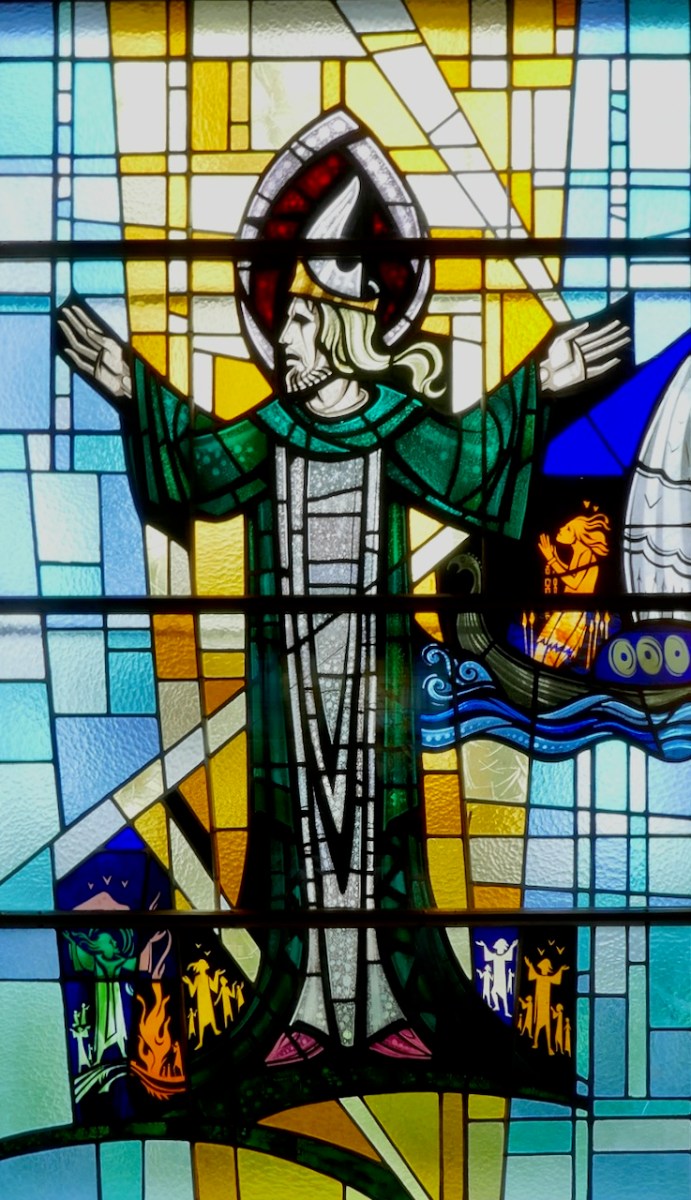
What follows is an intense confrontation, and I will let Stokes’ translation carry it:
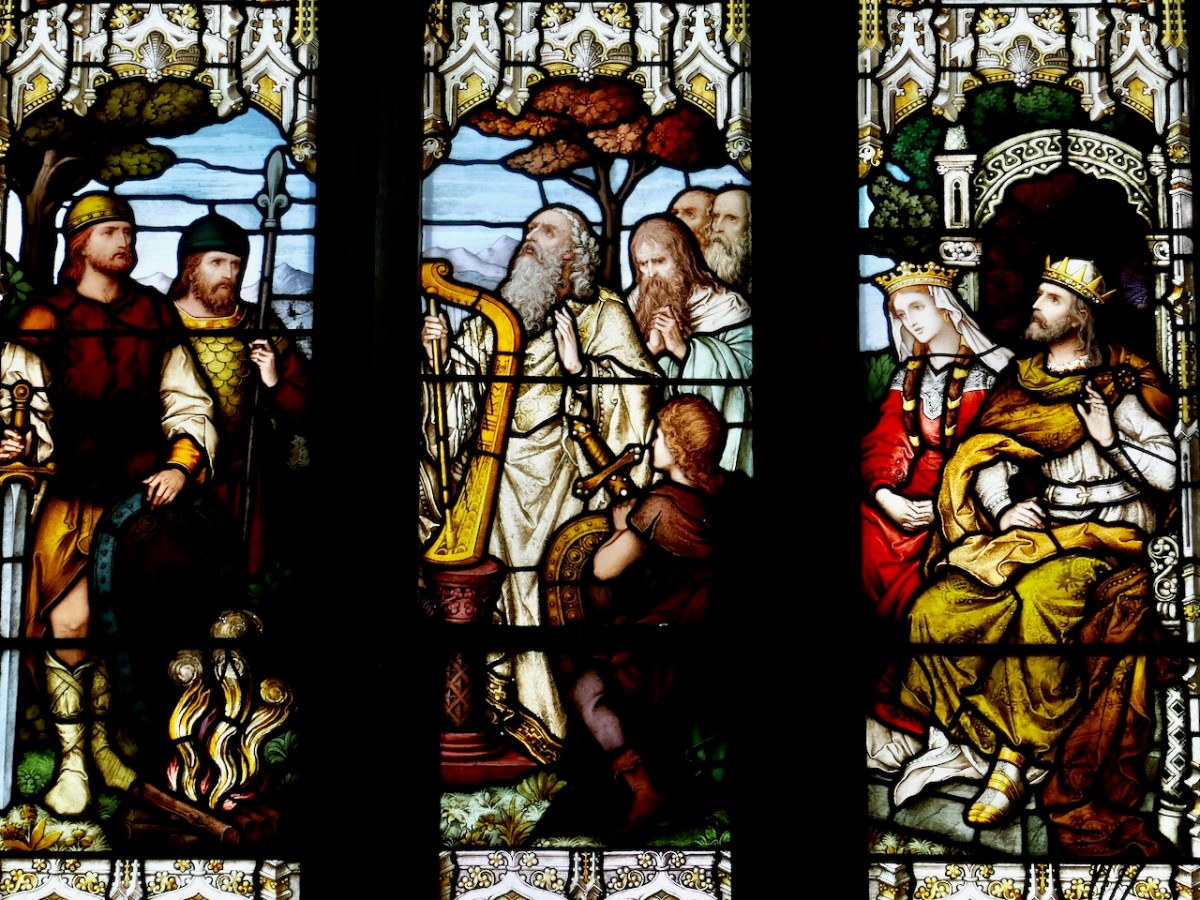
Then said the King, “ It shall not be so, but we will go to him and kill him. The king arises with his host to seek Patrick and kill him ; but they did not arrive before the end of night. When the king drew nigh his wizards said to him, “ Go not thou to him” say they, “ that it may not be a token of honour to him. But let him come to thee and let none rise up before him.” Thus was it done. When Patrick saw the horses and the chariots, he then sang this verse : ‘Hi in curribus et hi in equis, nos autem in nomine Domini Dei nostri magni [ ficabimur ].’ But, when Patrick came in to the assembly, only the son of Deg rose up before him, that is, Bishop Erc, who is (venerated) at Slane.
Wait, what! Bishop Erc? Haven’t we met him before, in tales of St Brendan? What is he doing in King Loegaire’s assembly? This is one of the strange time-shifts that features in this story. Despite all of us learning at school that Patrick brought Christianity to Ireland, it seems it was already here. In fact the Lebar Brecc talks about Palladius coming before Patrick, who arrived into a country where the faith already had a foothold, however marginal. Erc of Slane is almost certainly the same Erc who later baptised Saint Brendan and blessed his famous voyage westward. He is a hinge figure: witness to Patrick’s arrival and sponsor of Brendan’s departure. Erc’s rising is a public act of recognition which came at some personal risk.
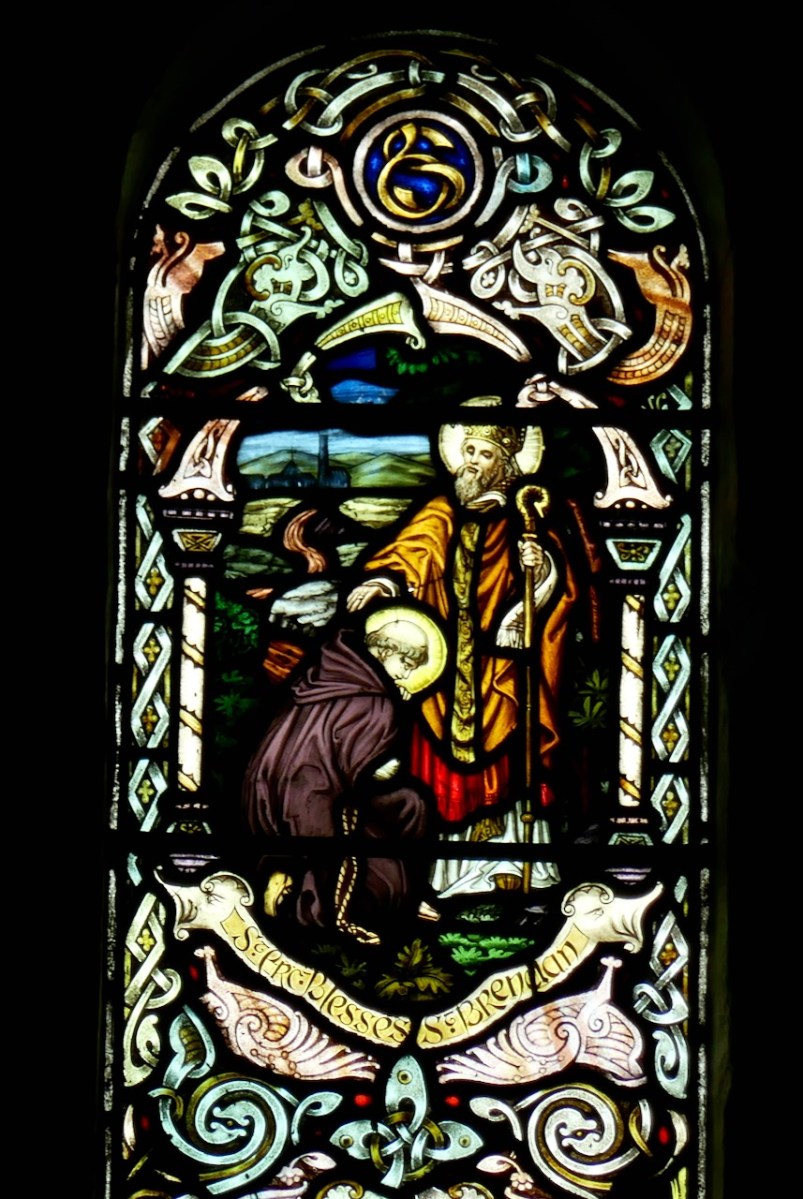
Then came one of the wizards, to wit, Lochru, fiercely and angrily against Patrick, and reviled the Christian faith. Then holy Patrick said : “ 0 my Lord, it is Thou that canst do all things. In Thy power they are. It is Thou that sentest us hither. Let this ungodly one, who is reviling Thy name, be destroyed in the presence of all.”
Swifter than speech, at Patrick’s word, demons uplifted the wizard in the air, and they let him go (down) against the ground, and his head struck against a stone and dust and ashes were made of him in the presence of all, and trembling and terror intolerable seized the hosts that were biding there.
Now, Loegaire was enraged with Patrick, and went to kill him. When Patrick perceived the onfall of the heathen upon him, he then exclaimed, with a mighty voice, “ Exsurgat Deus et dissipentur inimici ejus”* Came a great earthquake and thunder there, and a wind, and scattered the chariots and the horses afar on every side, so that they came even to Brig Graide and Sliab Moenuimn, and they were all slaughtering each other through Patrick’s curse, and there were left along with the king but four persons only in that place, to wit, himself and his wife and two of his priests.
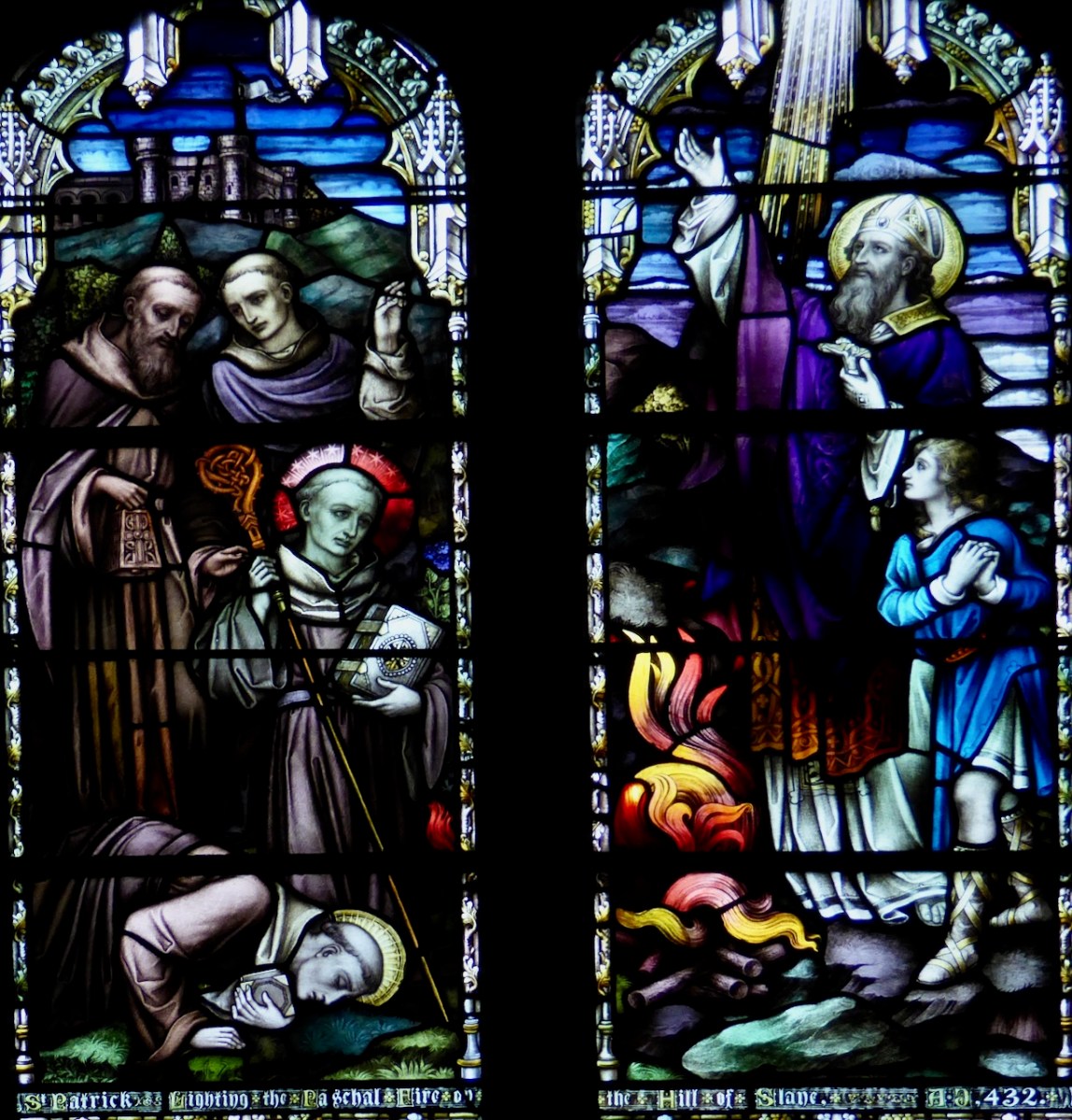
My goodness, this is definitely not the Patrick of Hail, glorious St. Patrick, dear Saint of our Isle; On us thy poor children bestow a sweet smile. Sorry – I have always had a soft spot for Frank Patterson – quick diversion into the shamrock-soaked images here.
In fact, Patrick’s behaviour here reminds me of St Fanahan, the White Hound of Brigown, with his head-battler and sparks flying from his teeth – which in turn reminds me of Cuchullain and his warp spasms. But I digress – let’s carry on now with the story.
When terror seized the queen she went to Patrick and said to him, ” 0 righteous one and 0 mighty one, kill not the king, for he shall submit to thee, and give thee thine own will.” The king came and gave his will to Patrick by word of mouth, but gave it not from his heart ; and he told Patrick to go after him to Tara that he might give him his will before the men of Ireland. That, however, was not what was biding in his mind, but to kill Patrick, for he left ambushes before him on every road from that to Tara.
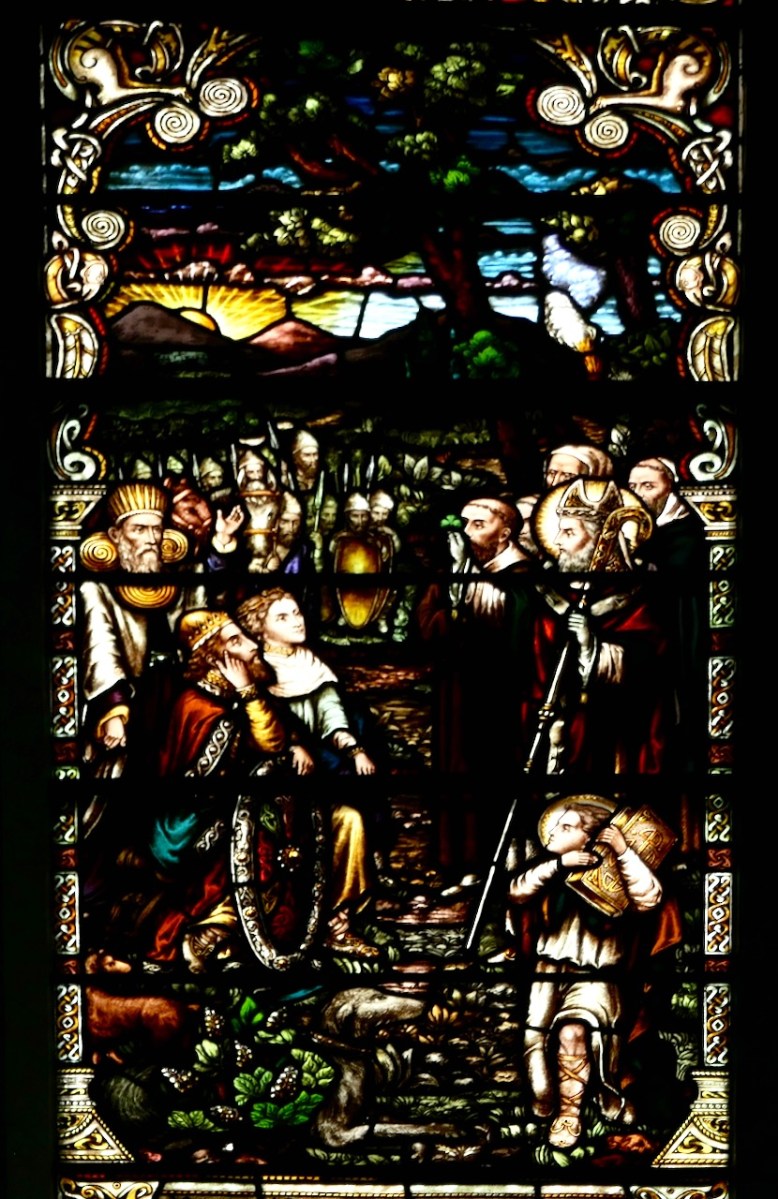
Thereafter went Patrick (and his train of) eight, together with a gillie Benén, past all the ambushes, in the shape of eight deer and behind them one fawn with a white bird on its shoulder, that is, Benén with Patrick’s writing-tablets on his back ; and thereafter he went into Tara, the doors being shut, to the middle of the palace. The king was then feasting with the kingfolk of Ireland around him at this hightide, for that was the Feast of Tara.
No one rose up before Patrick at Tara except the kings poet, Dubthach Macculugair, and he believed and was baptized, and Patrick gave him a blessing.
Patrick is then called to the king’s couch that he might eat food. Howbeit Patrick refused not that. The wizard Lucatmoel put a drop of poison into Patrick’s cruse**, and gave it into Patrick’s hand. But Patrick blessed the cruse and inverted the vessel, and the poison fell thereout, and not even a little of the ale fell. And Patrick afterwards drank the ale.
And where have we met a white deer before – ah yes, that would be the story of St Gobnait, who will find ‘the place of her resurrection’ when she sees none white deer. The image of Benignus as the fawn with the white bird is a lovely one.
Thereafter the hosts fared forth out of Tara. Then said the wizard, “ Let us work miracles together that we may know which of us is the stronger.” “ So be it done,” said Patrick. Then the wizard brought snow over the plain till it reached men’s shoulders. Dixit Patricius to him : “ Put it away now if thou canst.” Dixit magus : “ I cannot till the same time to-morrow.”
“ By my debroth ” (that is, ‘ by my God of judgment,’) saith Patrick, “ it is in evil thy power lieth, and nowise in good.” Patrick blessed the plain, and the snow melted at once.
The wizard invoked demons, and over the plain he brought darkness that could be felt, and trembling and terror seized every one. Dixit Patricius , “Take away the darkness if thou canst.” The wizard replied,
“ I cannot till the same time to-morrow.” Patrick blessed the plain, and the darknesses at once depart, and the sun shone forth …. All who were there gave thanks to God and to Patrick.
The miracle contest between Patrick and the unnamed wizard outside Tara has the quality of a folk tale with its snow conjured and melted, darkness brought and dispersed, but the theological point is precise. The wizard can bring affliction but cannot remove it whereas Patrick can do both.
Then another counsel was taken, that is, to build a house in that hour, the half thereof fresh and the other withered, and to put the wizard into the fresh half with Patrick’s raiment about him, (and) to place Patrick’s gillie, Benén, into the withered half, with the wizard’s tunic about him.
. . .and fire was put into the house, and the fresh half is burnt with the wizard therein, and Patrick’s raiment which was about him was not burnt. But the withered half was not burnt, nor the gillie, but the wizard’s tunic which was about him was burnt.
The king grows terrible at the killing of the wizard, and he proceeds to kill Patrick. But God’s anger came against the ungodly folk, so that a multitude of them, twelve thousand, perished.
Terror then seized Loegaire, and he knelt to Patrick, and believed in God with (his) lips only, and not with a pure heart. All the rest, moreover, believe and were baptized.
The burning house episode is the climax. The wizard, wearing Patrick’s cloak, enters the half built of fresh green wood. Benignus, wearing the wizard’s tunic, enters the withered half. The green wood burns with the wizard inside it; Patrick’s cloak is unharmed. The withered wood does not burn; only the wizard’s tunic is destroyed. It is a reversal of every natural expectation, and the text presents it without comment, trusting the audience to get the significance of the miracle.
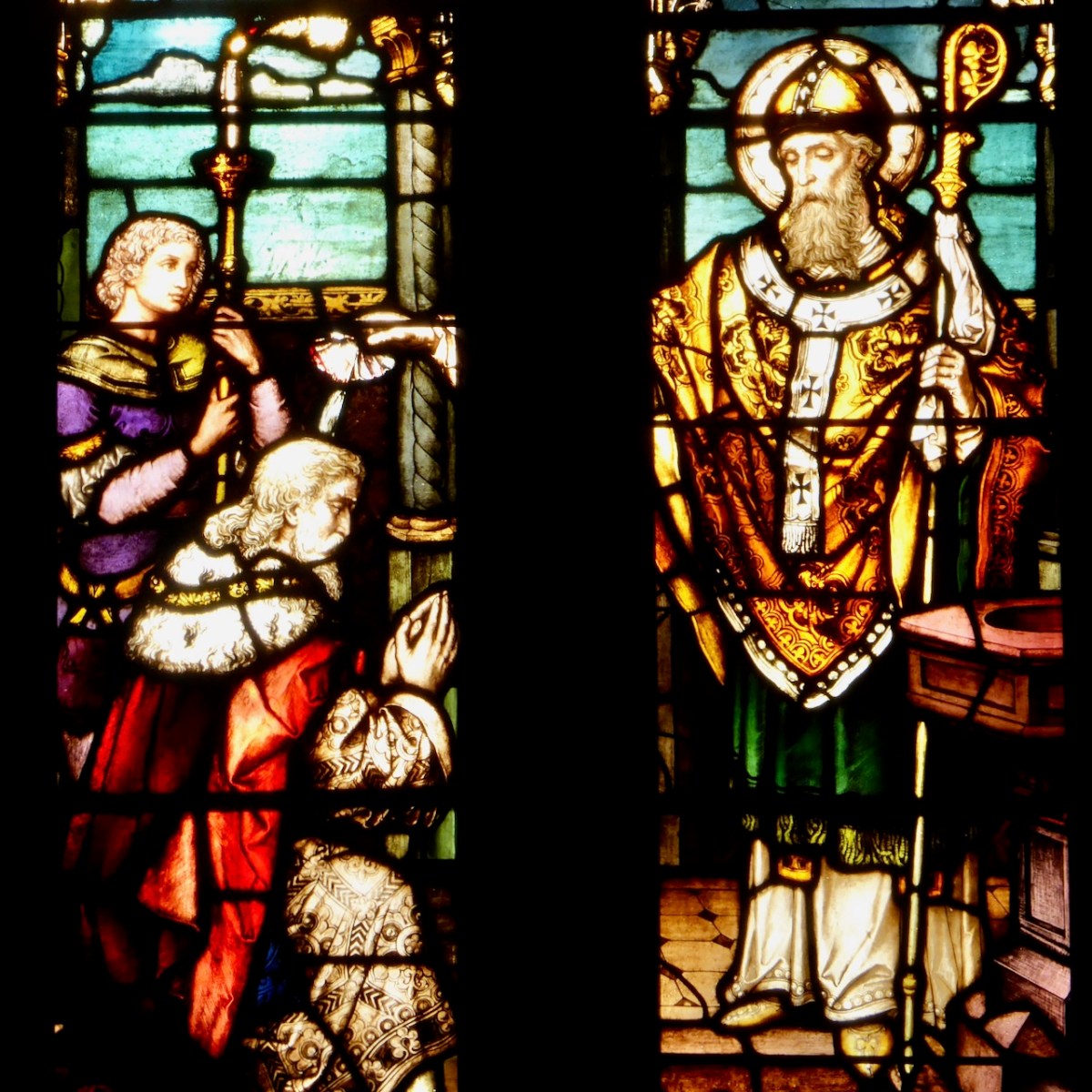
Patrick’s final words to Lóegaire, who has knelt and believed with his lips but not his heart, are worth a second look:
Patrick said to Loegaire, “ Since thou hast believed in God, length of life shall be given to thee in the kingdom. But in guerdon of thy disobedience aforetime, and because thou hast not received the baptism with desire, though thou believedst with thy lips, Hell shalt thou have, and from thy race till Doom there shall be neither sovranty nor chieftainship.”
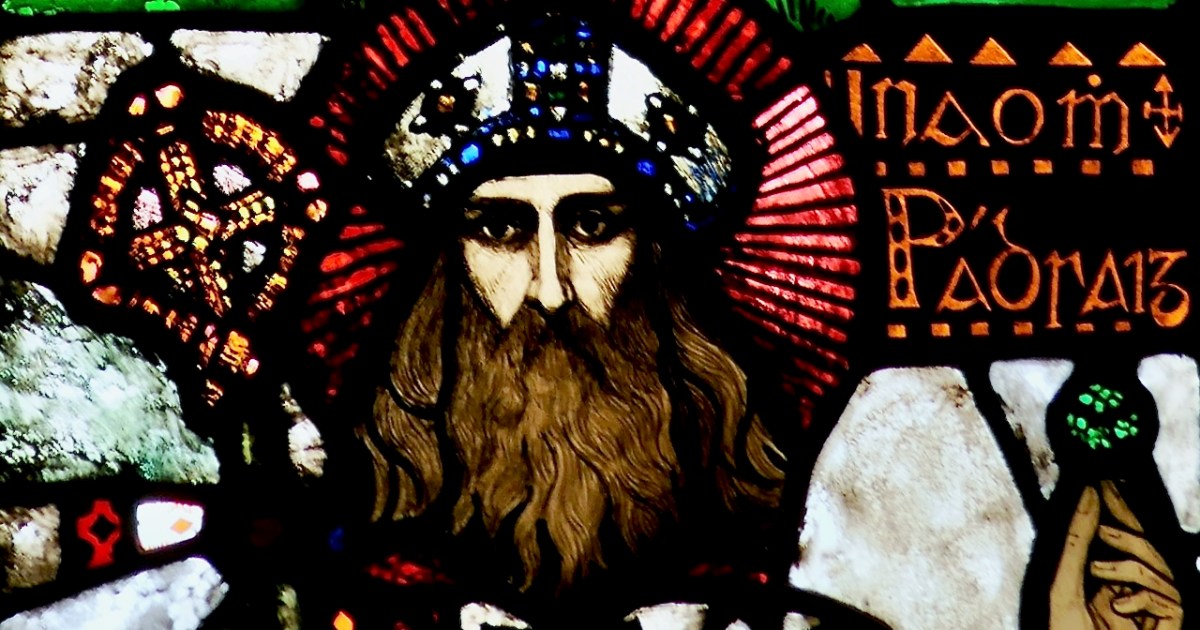
This is not the Patrick of the greeting cards, but a figure of formidable authority, distinguishing between outward compliance and genuine conversion, and prepared to curse a king’s entire lineage on the basis of that distinction. The medieval Irish church that preserved and transmitted this story clearly wanted a Patrick of the kind of power to rival and surpass the druids’ (or wizards, in Stokes’ parlance) power to bend kings – power over fire and snow and darkness.
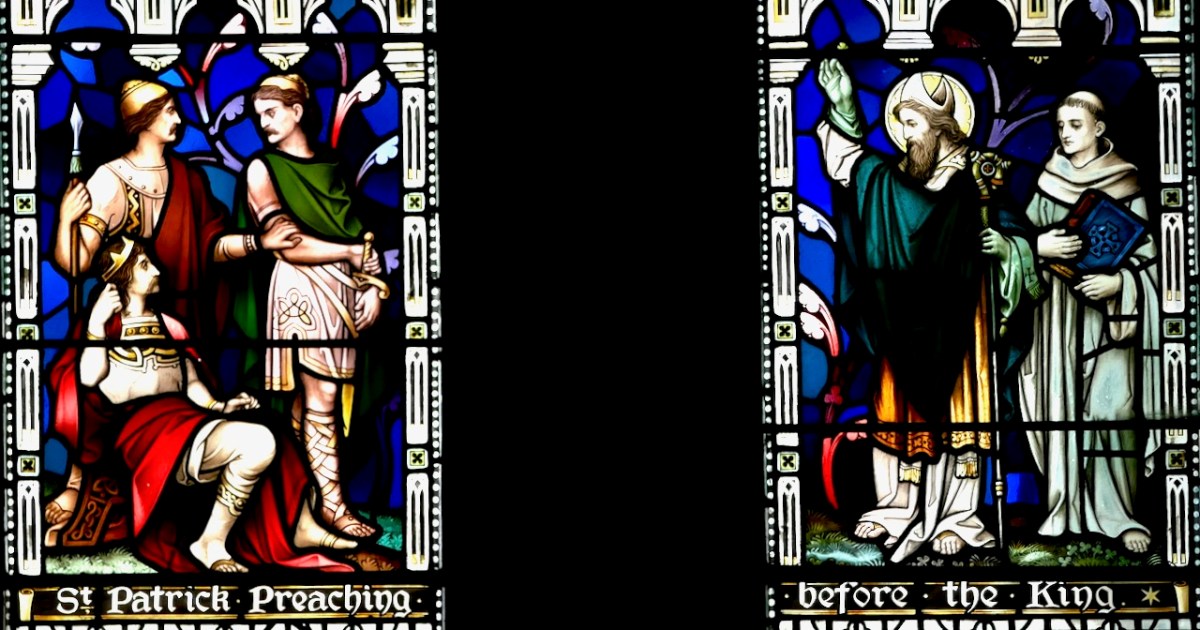
Maybe it’s time to reclaim that Patrick from the ‘dear saint of our isle’ with his shamrocks and raised hand in blessing. If this was the real Patrick, I suspect that when he raised his hand we would all be running for cover.
* “Let God arise and let his enemies be scattered” (psalm 68:1)
**A cruse is a small jar
 Roaringwater Journal